Vidya Vikas Child Neuroclinic

Migraine in Children

Migraine in Children

Childhood Migraines: Causes, Symptoms, and Treatment

Many parents might not know that their children can have migraines. These are rarely diagnosed because the symptoms presented in children are different from those of adults. These headaches are severe and could potentially impact the child’s functionality, reducing school time, playtime, and family time. Knowing the symptoms early enough and the causes of this condition can go a long way in its management. When parents face their child constantly complaining of headaches, it is not surprising that they have a lot of questions. What might be leading to such headaches? That’s why some people are confused about whether they are experiencing migraines or something else entirely. This blog is a comprehensive guide to the causes, signs, and management of migraines in children, which will help parents. What Are Childhood Migraines? Child migraines or migraines in kids are severe headaches that can be as complicated as a mild headache to extreme head discomfort. Contrary to migraines in adults, which might be a one-sided temporal or occipital headache, early childhood migraines might affect both sides of the head or even the forehead. These migraines are usually associated with other forms of discomfort including vomiting, nausea, and avoiding sources of sound or light. Migraine in children can develop from infancy but are most typical in children aged 5-15 years. Causes of Migraines in Children Recognizing the risk factors for pediatric migraines will enable guardians and doctors to avoid those factors and consequently manage the incidences. Below are some common reasons: 1. Genetics If migraines are hereditary, then you will find that your child is also a potential candidate for it. Research indicates that 60- 80% of children diagnosed with migraines have a first-degree family member who also experienced the same. 2. Stress and Anxiety Stress from school, friends, and even family can lead to migraines. Migraines in children that are caused by stress will manifest themselves through mood swings, tiredness, and headaches. 3. Dietary Triggers Migraine foods include chocolates, processed meats, and beverages containing caffeine. Hunger or lack of meals can also have a role to play in one’s life, or at times even dehydration. 4. Environmental Factors Anything from bright lights or loud noises to strong smells or even rapid switching of the weather may act as a trigger. 5. Sleep Issues If a child has too much sleep or gets insufficient sleep the child is bound to alter his or her usual schedule for the migraine. They both should be regular: once you have developed a preferred sleeping schedule, you need to stick to it. 6. Hormonal Changes Hormonal changes are another cause of migraines and older children especially at puberty are prone to this disease. This is especially so in girls in early adolescence, especially when they are preparing for menstrual periods. Childhood Migraine Symptoms Migraine symptoms differ from those of young children and adults hence are difficult to diagnose in children. Below are common childhood migraine symptoms: 1. Head Pain 2. Nausea and Vomiting 3. Light and Sound Sensitivity 4. Abdominal Pain 5. Aura 6. Dizziness and Fatigue Diagnosis of Migraines in Children The diagnosis of migraines in children can thus only occur after the exclusion of other causes of headache and comprehension of the said symptoms. Hematology, biochemistry, clotting profile, and viral serology are essential baseline investigations to be carried out. Diagnosis in some cases may necessitate imaging services such as MRI or CT scan which a pediatric neurologist may prescribe. Treating Migraines in Children Although there might not be a universal treatment regime, a person diagnosed with migraines can take measures to prevent and treat the migraines. 1. Lifestyle Changes 2. Managing Stress Educate the patient about ways in which stress, tension, and anxiety can be managed for example by teaching the patient concepts like deep breathing, meditation,n or even yoga. Screen time should also be minimized as well as encouraging the children to spend more time outdoors since it helps to reduce stress levels. 3. Medication For migraine of high intensity doctors may recommend medication that needs to be taken. Options include: 4. Cognitive Behavioral Therapy (CBT) CBT assists children enable to handle psychological aspects of migraines that encompass anxiety and stress inputs. 5. Preventive Medications For patients mildly suffering from migraines, the doctor may prescribe preventive medicines such as antihistamines or beta-blockers. 6. Avoiding Triggers A best practice is to keep a migraine diary to monitor and later avoid certain triggers that incite a migraine. Caring for a Child With Migraines Parents may feel sad if they witness their child in so much pain. Here are some tips to provide comfort and support: When to See a Doctor Headache is often experienced in children and although at times it may be rare migraines must be treated by the doctor. Visit a doctor if: Conclusion The headache for a child and the cruder form of suffering for a family they represent, migraines can appear in childhood; however, their timely and accurate diagnosis makes it possible to predict and provide effective treatment for most cases. It relates the causes, signs, and available treatment mechanisms in a way that will help parents prevent the advancement of diseases in their children. If you have any idea or feel your child is part of this group, ensure they seek the service of a pediatric neurologist or any other preferred doctor. For further assistance, please contact Dr. Nikhil Pawar at Vidya Vikas Hospital or call 082081 64155. Support your child to start a new page in his or her life without worrying about headaches. Book an appointment today!
Migraine in Children

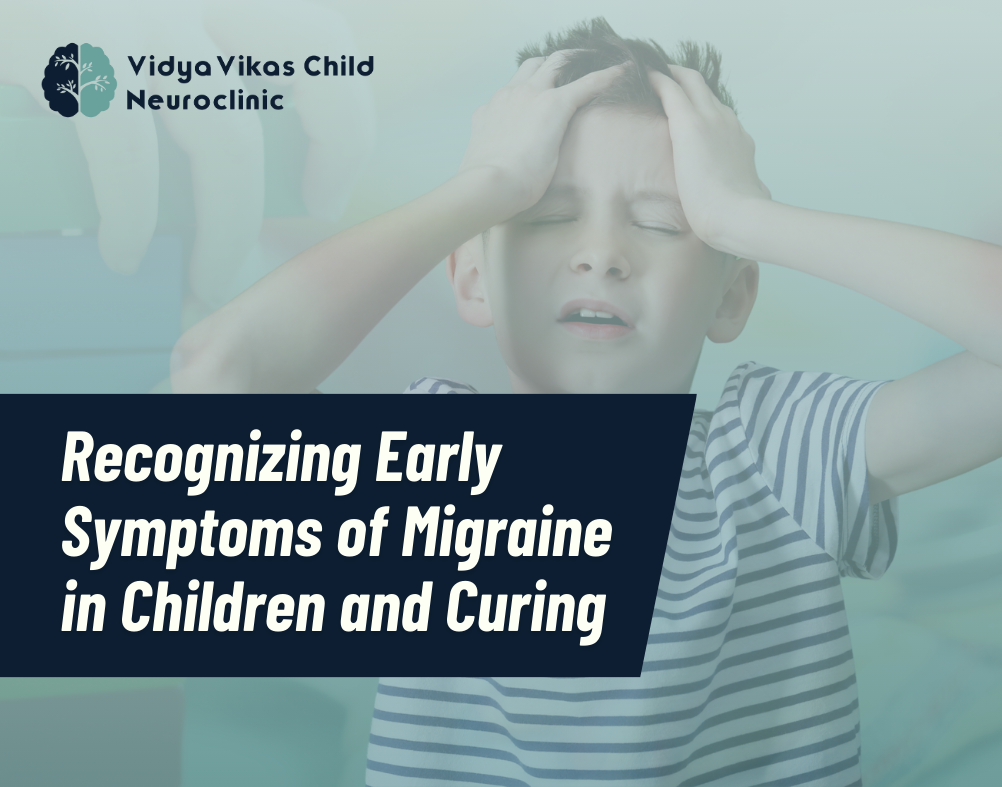
Recognizing Early Symptoms of Migraine in Children and Curing

Migraines can be a challenge to identify and treat in children. Therefore, understanding the early symptoms is crucial for timely intervention and effective treatment. In this article, we will discuss what migraines are, their symptoms in children, and the different types, and conclude with recommendations for seeking professional help. 1. What are migraines in children? Migraines are neurological conditions that cause intense, throbbing headaches accompanied by other symptoms such as nausea and sensitivity to light and sound. Children with migraines may experience recurrent and intense headaches that can last for extended periods, ranging from hours to days, disrupting their daily activities, affecting their ability to concentrate and engage in routine tasks. In addition, a significant number of children grappling with migraines encounter episodes of nausea that can progress to vomiting during the peak of a migraine attack. The presence of nausea and vomiting intensifies the overall distress experienced by the child, contributing to a sense of discomfort and debilitation. Photophobia, or heightened sensitivity to light, and phonophobia, an acute sensitivity to sound, emerge as common and pronounced features during migraines in children. Exposure to light or sound can exacerbate the child’s pain, necessitating a dim and quiet environment to alleviate their discomfort. Some children may also experience abdominal pain or discomfort, presenting a distinctive aspect of their migraine experience. The inclusion of abdominal symptoms adds a layer of complexity to the overall migraine presentation, influencing the child’s overall well-being. 2. What are migraine symptoms in children? Migraines, though commonly associated with adults, exhibit a unique set of symptoms in children that demand keen observation for timely recognition and intervention. The intricate nature of these symptoms goes beyond mere headaches, encompassing a range of indicators that underscore the need for a nuanced understanding. Here is a detailed exploration of migraine symptoms in children: Recurrent, Severe Headaches: Children experiencing migraines often endure recurrent and intense headaches that can persist for extended periods, ranging from hours to days. Impact: These headaches may disrupt the child’s daily activities, affecting their ability to concentrate and engage in routine tasks. Nausea and Vomiting:  A significant number of children grappling with migraines encounter episodes of nausea, and some may progress to vomiting during the peak of a migraine attack. Impact: The presence of nausea and vomiting intensifies the overall distress experienced by the child, contributing to a sense of discomfort and debilitation. Sensitivity to Light and Sound: Photophobia, or heightened sensitivity to light, and phonophobia, an acute sensitivity to sound, emerge as common and pronounced features during migraines in children. Impact: Exposure to light or sound may exacerbate the child’s pain, necessitating a dim and quiet environment to alleviate their discomfort. Abdominal Pain or Discomfort: Some children manifest migraines with an additional component of abdominal pain or discomfort, presenting a distinctive aspect of their migraine experience. Impact: The inclusion of abdominal symptoms adds a layer of complexity to the overall migraine presentation, influencing the child’s overall well-being. Aura – Visual or Sensory Disturbances: In certain cases, children may encounter visual or sensory disturbances known as auras preceding the onset of the actual headache. Impact: Auras contribute to the uniqueness of pediatric migraines, serving as early warning signs that require careful attention for accurate diagnosis and intervention. Understanding these diverse manifestations is pivotal for parents, caregivers, and healthcare professionals alike. The descriptive analysis of migraine symptoms in children not only enhances awareness but also emphasizes the multifaceted nature of these experiences. This nuanced comprehension lays the foundation for timely recognition, facilitating a more targeted and effective approach to managing migraines in the pediatric population. Types of Migraine Migraine Without Aura: Characteristics: The most common type, marked by a severe headache without preceding sensory disturbances. Key Features: Intense and prolonged headaches are the primary focus, typically lasting for hours to days. Migraine With Aura: Characteristics: Involves sensory or visual disturbances before the onset of the headache. Key Features: Children may experience flashing lights or zigzag lines, providing a visual precursor to the impending migraine. Chronic Migraine: Characteristics: Occurs when a child experiences migraines on 15 or more days per month. Key Features: The chronic nature poses challenges, impacting the child’s daily life and requiring a more sustained approach to management Illuminating Paths to Pediatric Migraine Wellness with Vidya Vikas Hospital In the enchanting tale of childhood, where migraines may cast unexpected shadows, the theme of recognition emerges as a poignant art. As guardians, our role surpasses mere observation; it transforms into that of vigilant custodians, weaving a tapestry of well-being for our children. The delicate threads of persistent headaches, sensitivity, and the subtle preludes of auras beckon our attention in this narrative. Embarking on the journey toward a brighter, migraine-free childhood demands the discerning eyes of guardians finely tuned to the cadence of their child’s health. When the refrain of persistent or severe headaches harmonizes with other telltale symptoms, the next stanza unfolds in collaboration with a pediatric migraine specialist. This isn’t merely a clinical partnership; it’s a shared endeavor to decode the unique symphony of migraines in children. Early intervention, akin to a timely brushstroke, works alchemy on the narrative. It’s a proactive stance promising not only relief but an enhanced quality of life for the child. In this collaborative composition, parents become authors, scripting more than a clinical history; they craft a narrative of empowerment, resilience, and a childhood unburdened by the shadows of persistent headaches. Enter Vidya Vikas Hospital in Nashik, a beacon of comprehensive healthcare, where a dedicated team awaits, poised to address the distinctive nuances of pediatric migraines. Within these walls, a journey unfolds—a journey where expertise converges with compassion, and where each child’s unique migraine symphony finds resonance in personalized care. As we conclude, Vidya Vikas Hospital emerges not just as a medical institution but as a partner in illuminating paths to pediatric migraine treatment. 

Scroll to Top